Atlas' Evolution From Research Robot to Industrial Humanoid
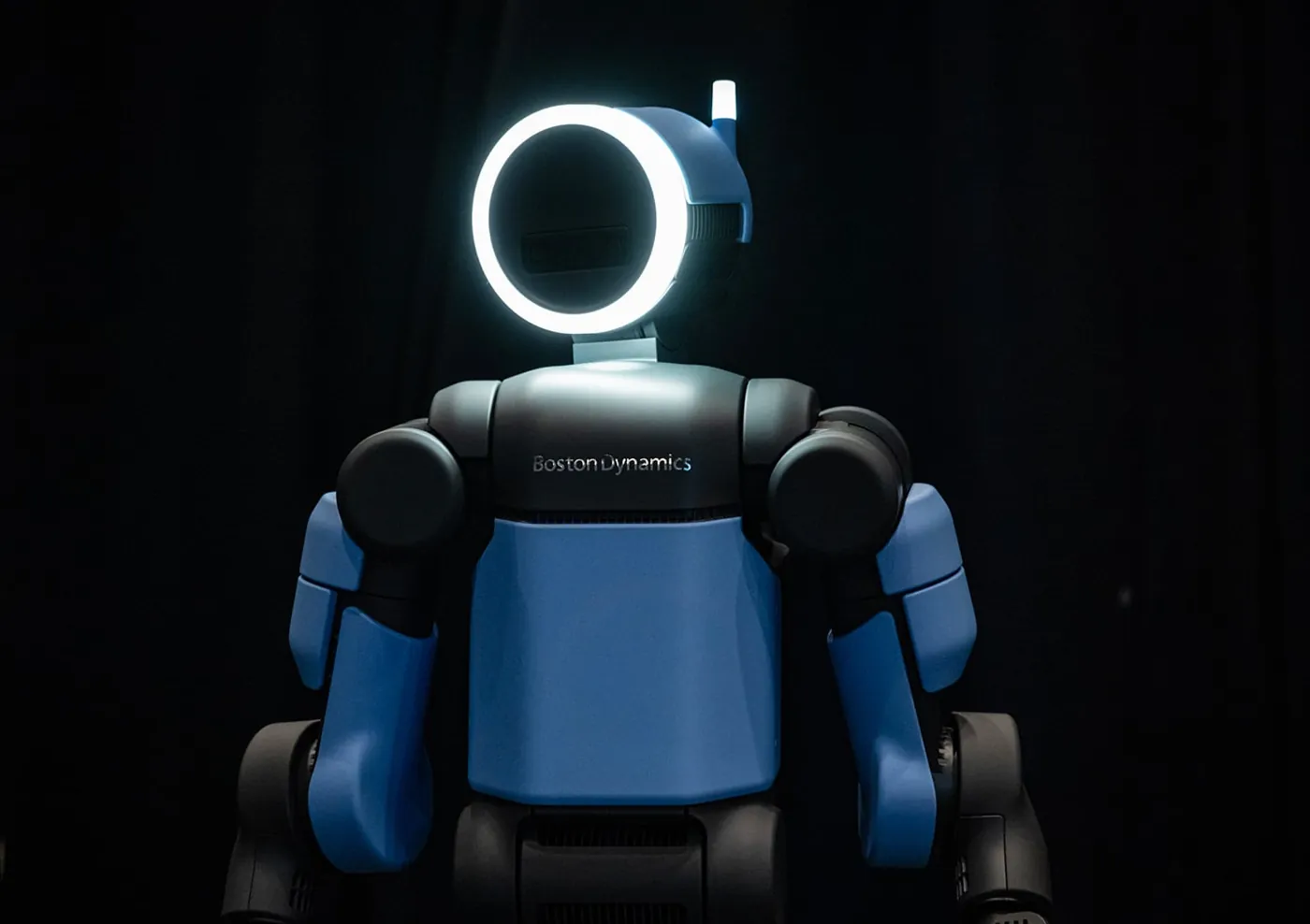
Boston Dynamics traces Atlas' decade-long evolution from hydraulic parkour research platform to electric industrial humanoid. 2026 production-ready Atlas unveiled with Hyundai, already deployed for part sequencing at the Hyundai metaplant.
Atlas' Evolution From Research Robot to Industrial Humanoid
For over a decade, Boston Dynamics' Atlas robot has been one of robotics' most recognizable figures. Today, Atlas is an enterprise-ready industrial humanoid robot — electric, autonomous, and engineered to operate safely and efficiently in dynamic workplaces. Most importantly, Atlas is intelligently designed for scale: learned behaviors can be redeployed across fleets, allowing robots to continuously improve and deploy new tasks in less than a day.
Boston Dynamics didn't get to this point overnight. The company has led the industry in humanoid research and development, showcasing Atlas' agility, balance, and strength across parkour courses and dance performances. They built the tools and expertise in full-body control, perception, and complex manipulation. The commercial journey with Atlas didn't start in 2026 with the announcement of the product version; it started years earlier with the ambition to push the art of the possible and the hands-on expertise to deliver real value.
2026: Production Ready
In January 2026, Boston Dynamics and Hyundai Motor Group unveiled the production-ready Atlas — the result of decades of humanoid robotics development, redesigned to revolutionize industrial automation. Like previous generations of Atlas, this humanoid robot is strong, agile, and adaptable. But more importantly, Atlas is built for work.
It's easy to use, easy to integrate into existing manufacturing workflows, and easy to train for new tasks. It's designed to be safe around people and to operate continuously. It can be cleaned, serviced, and maintained in the field so Atlas will stay working for the long haul. Boston Dynamics is already manufacturing the product version of Atlas today, with deployments scheduled this year at Hyundai and Google DeepMind.
2025: Learning in the Factory and the Lab
In 2025, the team was laser-focused on their first application: part sequencing in automotive manufacturing. Part sequencing allowed them to tackle core problems working towards a general purpose humanoid, including task diversity, behavior complexity, and environmental complexity. But it also represented a challenge with real ROI behind the solution.
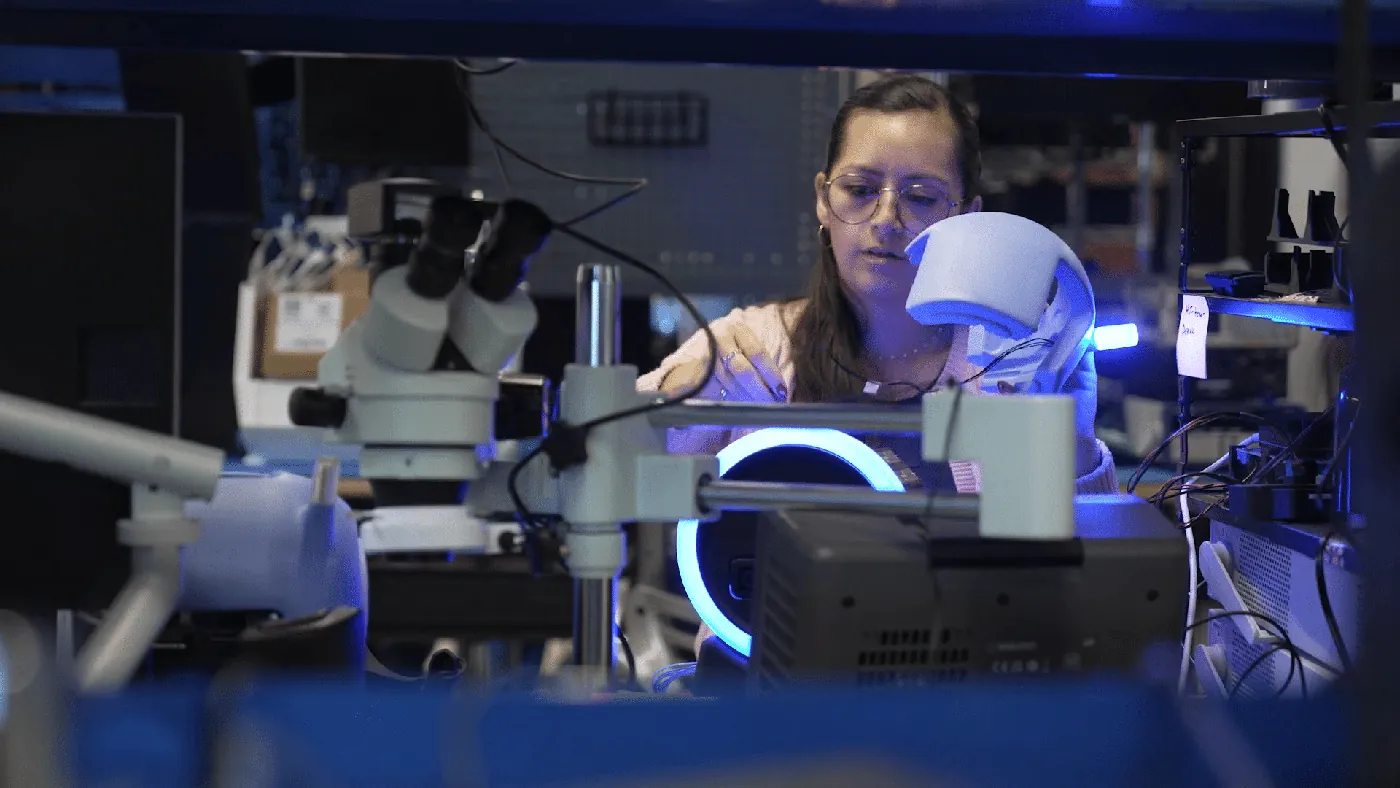
With this as the guiding principle, they iterated, tested, and improved. They developed robust, diverse behaviors for Atlas using a mix of training techniques, including:
- Reinforcement learning in simulation and from teleoperated demonstrations
- Perfecting Atlas' perception with 2D and 3D awareness of surroundings
- Iterating on gripper design for the right mix of strength, fine motor skill, and durability
- Practicing grasps on a manipulation test stand, using RL policies trained with NVIDIA workflows
- Applying large behavior models for full-body control and real-time adaptability
- Creating fluid, natural gaits using motion capture and animation RL pipelines developed with RAI Institute
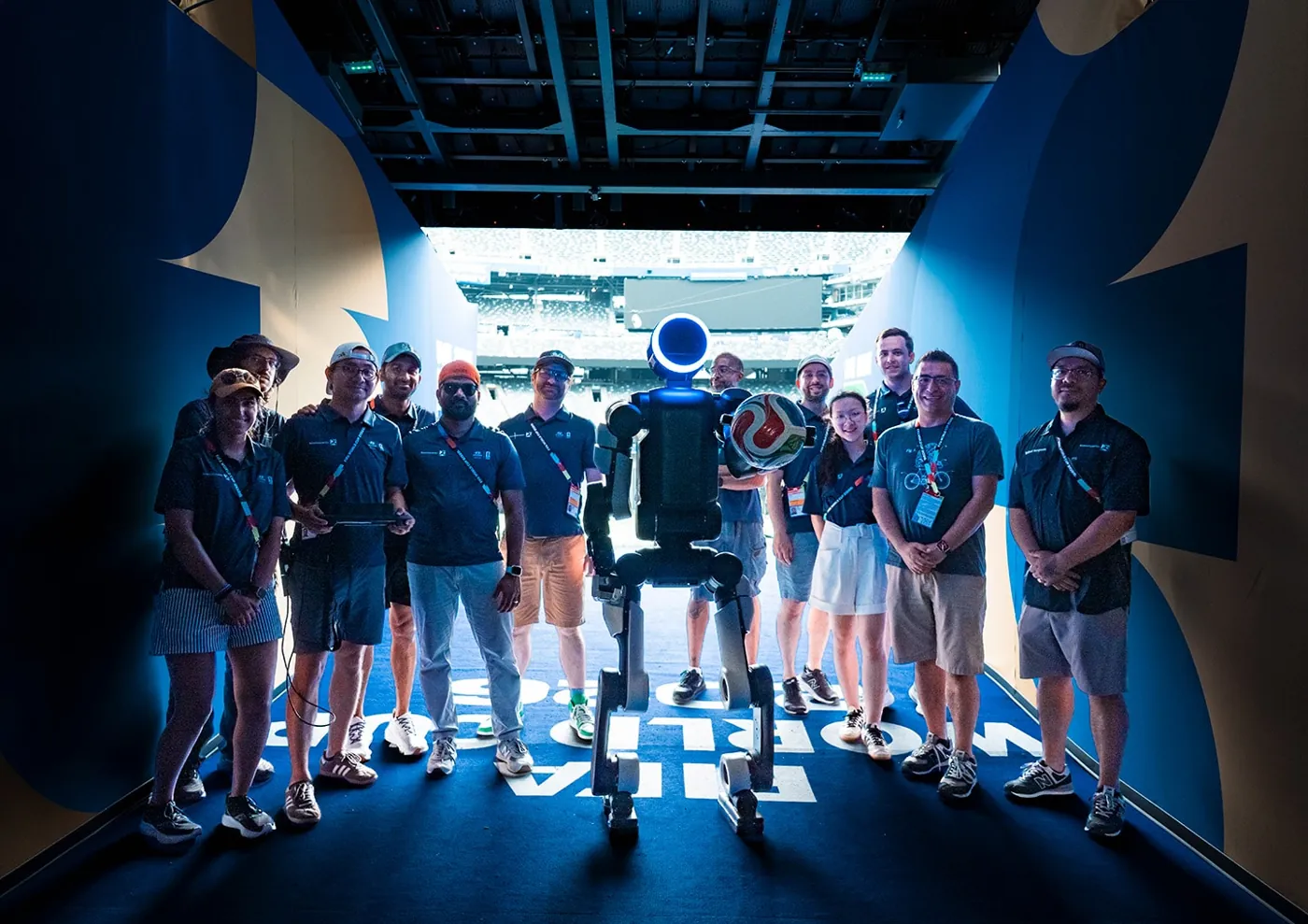
Application readiness served as the primary measure of progress. In the fall, they put Atlas to the test at the Hyundai metaplant in Georgia, inviting 60 Minutes to join for Atlas' first deployment.
2024: Redefining Atlas with Electric Actuation
The turning point in Atlas' evolution came in April 2024 with the introduction of an all-electric Atlas. This marked a decisive reset in Atlas' development and the start of its commercial journey.
Electric actuation was important to enable reduced complexity, quieter operation, and improved energy efficiency, but the redesign went far beyond hardware. The ultimate goal was building a humanoid that could be deployed, maintained, and trusted in real environments. The team started proving that Atlas could work autonomously, bringing together advanced mobility and advanced intelligence — executing simple handling tasks with irregular parts, using ML vision models for detection and localization, specialized grasping policy, and continuous awareness of manipulated objects.
By the end of 2024, Atlas was positioned to move from proof of concept into industrial use. But, true to their roots, it could still do a backflip.
The Research Foundation
Long before Atlas was ready for industrial work, it pushed the limits of the possible in robotics and inspired future generations of roboticists. Atlas balanced, danced, ran, flipped, and carried heavy objects — sometimes all at the same time.
This research legacy is more than flashy demos. The humanoid robot development work with hydraulic Atlas produced insights into control, balance, and whole-body motion, directly informing later designs and product development. This foundation informed the evolution of Atlas — taking the hardest challenges head on whether in the lab or on the factory floor.
What the Atlas Evolution Reveals
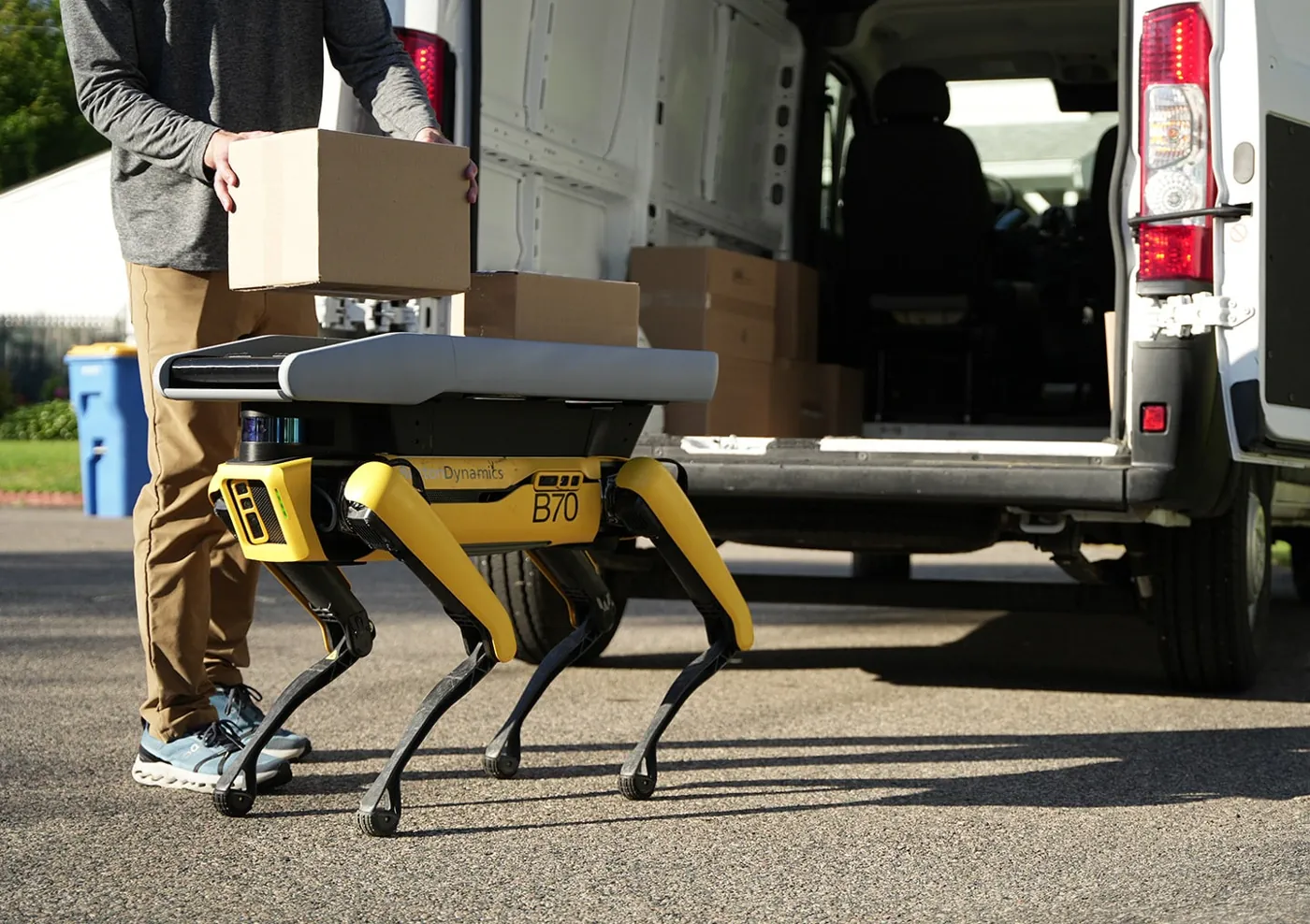
The journey with Atlas mirrors the journey with the Spot robot and the evolution of the Stretch robots — from prototypes to pilots to scaled deployments and ROI. Looking back, Atlas' journey tells a clear story:
- Successful productization and real-world impact are about customer value, with a focus on problems worth solving rather than those that simply look impressive.
- Robotics and AI development require patience, persistence, and collaboration, with breakthroughs compounding over time.
- Intelligent software and powerful hardware go hand in hand. The usefulness of a humanoid robot is determined by intelligence and autonomy, but also robustness, serviceability, and scalability.
- The humanoid form factor should be a jumping off point, not a limitation on performance or mobility.
Looking Forward
Atlas' story now centers on safe, reliable operation at scale in real-world environments. As Atlas begins its life beyond the lab, its evolution continues — informed by real environments, real constraints, and real outcomes. The next chapters won't be written by Boston Dynamics alone, but will grow in partnership with the customers deploying Atlas in factories, warehouses, and workplaces where adaptability matters every day.
Source: Boston Dynamics — Atlas' Evolution From Research Robot to Industrial Humanoid