BLOG
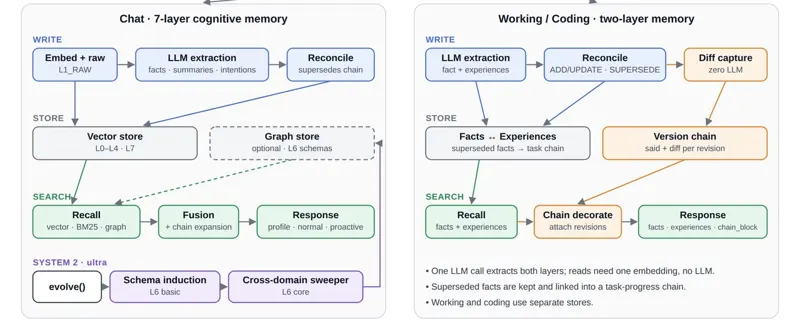
Tencent Hunyuan open-sources Hy Memory 2.0: the 3B-active writer model Hy-Memory-30B-A3B, the hy-memory SDK, and local-first MemHub; a 55.49 macro average over four harnesses edges out Opus 5.
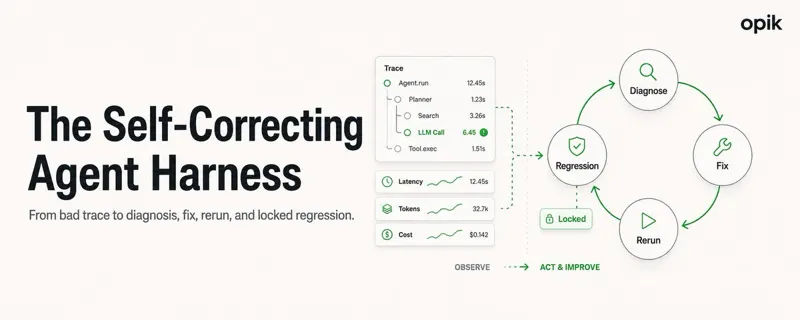
Observability answers what happened; the real cost lives in what follows. A four-layer self-repairing stack: tracing, Ollie's patch loop, regression-locking test suites, and an agent sandbox.
Google ships Gemini 4 Argon, a general-purpose physical reasoning model scoring 87% on ERQA with pure reasoning, backed by twelve demos across robot control, Real2Sim, physical understanding and self-improvement. We break down each example, quote every published number, and separate declared capability from independently verified reliability.
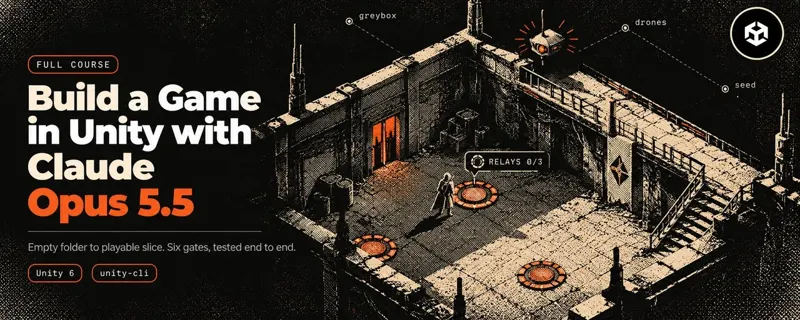
From an empty folder to a small game you can play, test and build: connect Opus 5.5 to the Unity Editor, pass six gates from greybox level to models and sound, and prove it runs with Unity's Play mode verification loop and PlayMode tests.
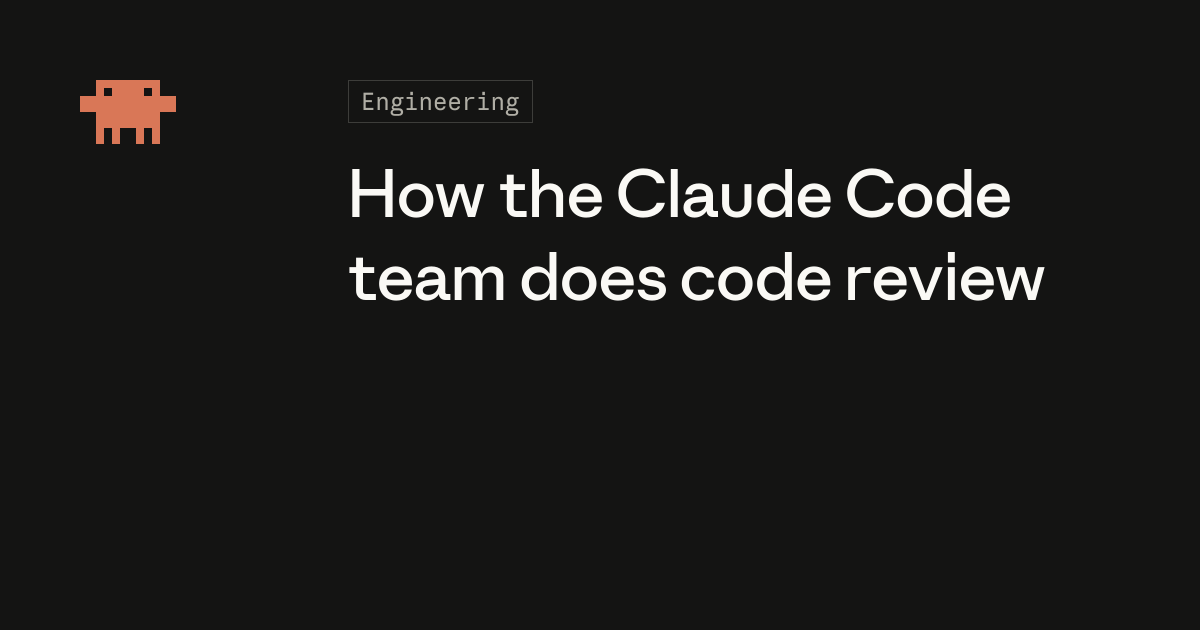
With Claude writing about 90 percent of Claude Code, Anthropic runs seven layers of automated review plus risk-tiered approval, doubling merged PRs while reverts fell 40 percent. The most instructive finding is convergence: an agent author and agent reviewer once burned fifty-plus rounds on one PR, and git blame showed 59 percent of the repeatedly flagged code had been there since the first pass.
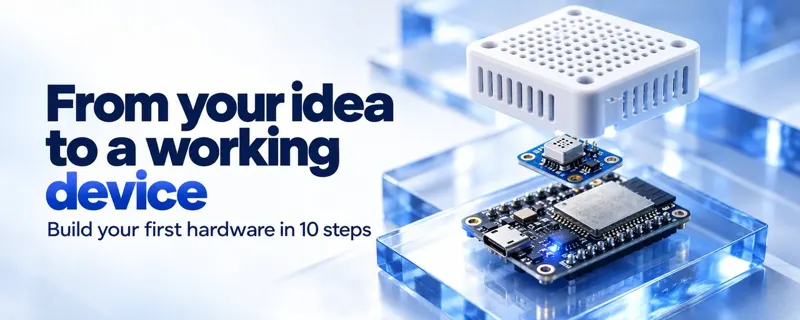
Ten steps from a documented dev board to a device you can trust: testable spec, four physical blocks, level-checked wiring, hysteresis-stabilised warning, failure-case tests, then enclosure and docs.
A 16-day AI pipeline turned The Little Prince into an explorable 3D game: Image 2.5 art, Tripo assets, Opus 5.5 driving Blender and Unity, Astra iterating. ~3M views; prompts published.
98% GPU utilization can hide a stalled GPU. Tracing the step, swapping in fused kernels (3.7x), then packing batches into 1D tensors cuts Qwen 3.8 27B SFT from 7h44m to 1h17m on AI Runtime.
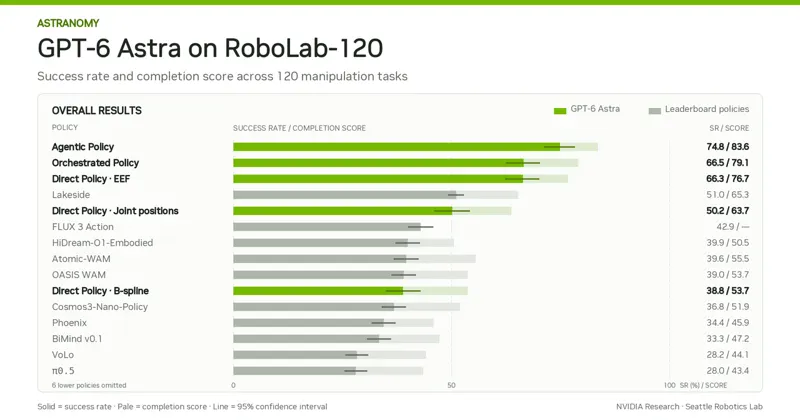
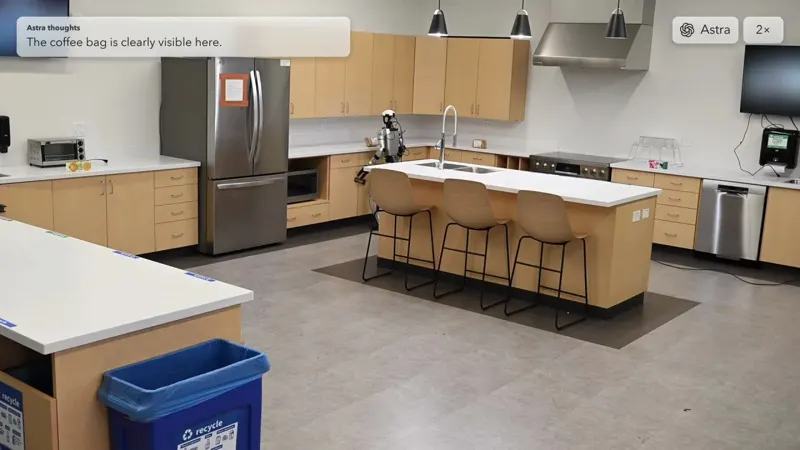
NVIDIA studies GPT-6 Astra as a native robot policy: Agentic Policy tops RoboLab-120 at 74.8%, but each call averages 18.56 s and a successful episode costs 30.9M tokens ($36.40).
Gemini 4 Argon tops ERQA at 87% with pure reasoning, with prompts across robot control, Real2Sim, physical understanding and self-improvement: MuJoCo twins, zero-shot control, hindsight labeling.
Stanford TML's HomeBody drops the learned VLA middle layer: GPT Astra calls a library of composable skills on a Unitree G1, backed by a digital twin and persistent spatial memory the robot builds by exploring a home it has never seen, then tidies an unseen kitchen and fetches medicine with no task-specific training.
David Bar's ten checkers for agentic CAD - spec, motion, geometry, edge, manufacturability, fastener, hole, picture, accepted-problems and test-the-checkers - written in Python on build123d and run after every model update.
As an Amazon Associate, we earn from qualifying purchases.