NavVerse (CoRL 2026): a 200-scene, 10K-episode indoor-to-outdoor navigation benchmark — best zero-shot VLA reaches 11.6%, then halves across the door
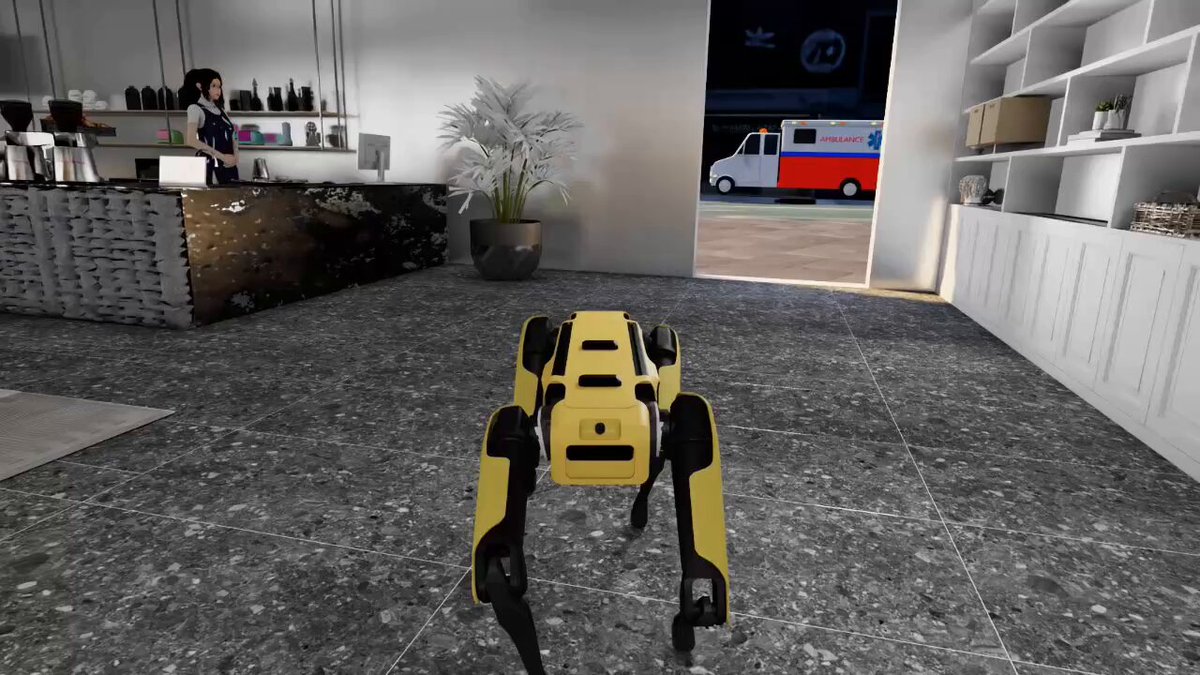
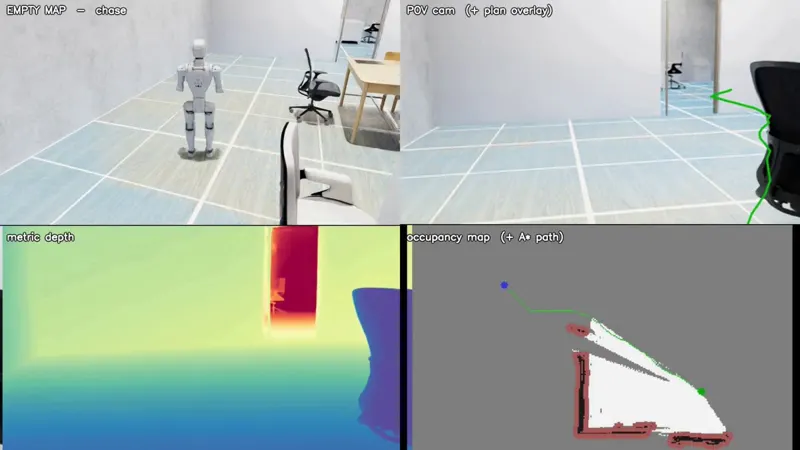
UMich-CURLY (@GhaffariMaani) released NavVerse at CoRL 2026 (171-second demo video): it asks whether today's robots can walk out the door and complete a task outside. The example request — "find a place to get burgers and fries" — requires leaving a building, transitioning into a very different outdoor environment, understanding what kind of place satisfies the request, and physically navigating there. NavVerse evaluates that chain in physics-based simulation: 200 scenes (100 indoor + 50 outdoor urban + 50 connected indoor-to-outdoor assembled via door-to-facade so robots walk from corridor to street with no teleportation), 10,000 episodes, and three tasks (ObjNav, VLN, and the newly proposed PlaceNav at place level), all through an executable robot interface (simulated Spot quadruped with RGB-D) with metrics spanning success (SR/SPL), efficiency (CE) and safety (CR/ADO/NSR). Results from four zero-shot baselines (modular, RL, VLA, VLA-RL) are brutal: the strongest VLA, UniNaVid, reaches only 11.62% ObjNav / 11.38% PlaceNav / 10.67% VLN, and going from pure outdoor to connected scenes PlaceNav plunges 17.65% to 3.64% (a 14.01-point absolute drop); 25-48% of connected episodes never reach the outdoors at all, and every method's coverage efficiency declines post-exit (spinning in place). Paper, project page and code are all open.